Robust gene modulation and editing with the DyadGuide™ dual-sgRNA platform
The DyadGuide
dual-sgRNA platform employs an engineered bidirectional U6 promoter to
drive efficient and uniform expression of two sgRNAs (Figure 1A). This design
enables more consistent gene modulation or editing compared with conventional
sequential Pol III promoter expression strategies.
When we compared gene repression using
several sequential Pol III promoter strategies against the DyadGuide
bidirectional promoter in a CRISPRi All-in-one system, sequential promoter
designs produced inconsistent and less potent repression. In contrast, the
DyadGuide bidirectional promoter delivered robust knock-down that was
independent of sgRNA orientation (Figure 1B). Importantly, this improved
performance is not limited to CRISPR modulation with CRISPRi or CRISPRa (not
shown). We observed the same advantage in CRISPR knock-out (CRISPRko)
experiments: sequential Pol III promoter systems again showed variable
efficiency, whereas DyadGuide maintained consistent and efficacious gene
disruption across sgRNA orientations. Together, these results demonstrate that
the DyadGuide dual-sgRNA system delivers consistently superior performance
across CRISPR applications, enabling reliable and position-independent gene
modulation.
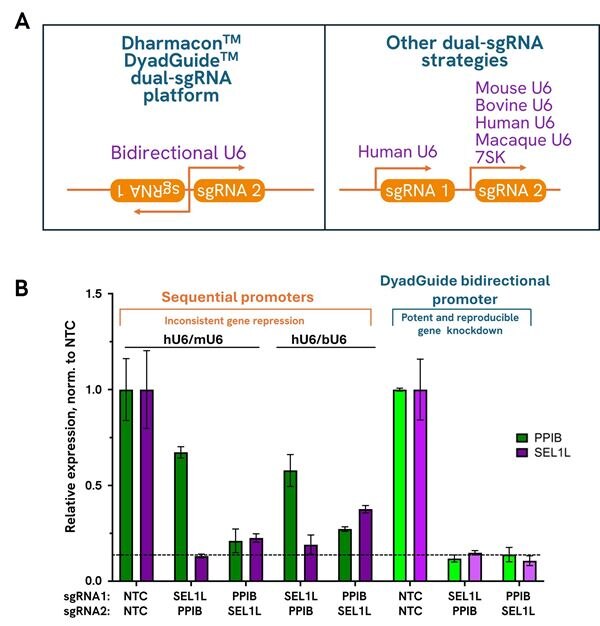
Figure 1. The DyadGuide dual-sgRNA expression platform outperforms consecutive
Pol III promoters.
A. The DyadGuide dual-sgRNA platform utilizes a bidirectional U6
promoter to drive efficient and uniform expression of both sgRNAs, overcoming
limitations seen when sgRNAs are expressed by multiple sequential promoters. B.
U2OS (10,000 cells/well), were plated in 96-well plates, allowed to adhere
for 24 hours, and transduced with CRISPRmod CRISPRi All-in-one Lentiviral
DyadGuide™ dual-sgRNA particles containing sgRNAs targeting both PPIB
and SEL1L,
All-in-one vectors containing sequentialU6
promoters (combinations of Human U6 (hU6) and mouse U6 (mU6) or hU6 and bovine
U6 (bU6)) driving expression of sgRNAs targeting both PPIB and SEL1L, or
CRISPRi All-in-one lentiviral particles containing sgRNAs targeting SEL1L
at MOIs of 0.3. CRISPRmod CRISPRi All-in-one Lentiviral DyadGuide
dual-sgRNA particles containing two non-target control (NTC) sgRNAs were used
as a control. 24 hours post-transduction, cells were selected with 2.5
µg/µL puromycin for 5 days. Total RNA was isolated and relative gene expression
was measured using RT-qPCR. The relative expression of each gene was calculated
with the ∆∆Cq method using ACTB as the housekeeping gene and normalized
to an NTC. Robust target gene repression of both targets was observed with the
CRISPRmod CRISPRi All-in-one Lentiviral DyadGuide dual-sgRNA system, comparable
to levels achieved by the single sgRNA CRISPRmod CRISPRi All-in-one lentiviral
system. However, in cells transduced with sequential U6 promoter lentiviral
particles, lower knock-down efficiencies for the sgRNA driven by the second U6
promoter were observed, particularly noticeable when the sgRNA targeted PPIB.
Synergistically enhancement of gene
modulation
As shown above, the DyadGuide dual-sgRNA
system enables researchers to simultaneously target two different genes for
more complex combinatorial studies, but also enables the targeting of a single
gene with two distinct guide RNAs to enhance gene modulation. Previous work demonstrated
that gene activation with CRISPRa can be amplified using multiple sgRNAs
directed at the same locus.
To assess this, we compared targeting the POU5F1
transcription start site with an individual sgRNA delivered with our CRISPRa
All-in-one system or with two sgRNAs using DyadGuide dual-sgRNA. While each individual
sgRNA targeting POU5F1 increased expression of POU5F1 mRNA (Figure
2A) and its encoded protein OCT4 (Figure 2B), the DyadGuide CRISPRa dual-sgRNA
approach further enhanced POU5F1 expression and resulted in higher OCT4
protein levels in U2OS cells.
These results demonstrate that the
DyadGuide dual-sgRNA platform can synergistically enhance gene activation and
protein expression, highlighting its effectiveness for both single-gene and
multi-gene targeting.
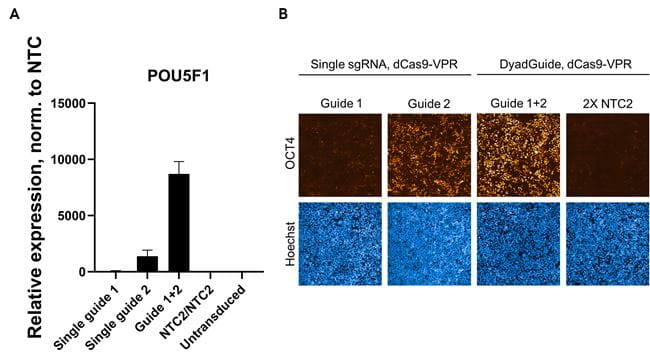
Figure 2. The DyadGuide dual-sgRNA expression platform to express two
sgRNAs targeting the same gene can synergistically enhance gene activation.
U2OS (10,000
cells/well) cells were plated in 96-well plates, allowed to adhere for
>4 hours, and transduced with CRISPRmod CRISPRa All-in-one Lentiviral
DyadGuide™ dual-sgRNA particles containing two sgRNAs targeting POU5F1 or
CRISPRmod CRISPRa All-in-one lentiviral particles containing a single sgRNA
targeting POU5F1 at MOIs of 0.3. CRISPRmod CRISPRa All-in-one Lentiviral
DyadGuide dual-sgRNA particles containing two non-target control (NTC) sgRNAs
were used as a control. 24 hours post-transduction, cells were selected
with 2.5 µg/µL puromycin for 5 days. A. Total RNA was isolated at Day 8
and relative gene expression was measured using RT-qPCR. The relative
expression of each gene was calculated with the ∆∆Cq method using ACTB
as the housekeeping gene and normalized to an NTC. Robust, synergistic POU5F1
gene activation was observed with the CRISPRmod CRISPRa All-in-one Lentiviral
DyadGuide dual-sgRNA system, greatly exceeding the levels achieved by the
single sgRNA CRISPRmod CRISPRa All-in-one lentiviral system. B. Replicate
wells were fixed in 4% PFA and stained with OCT4 (encoded by POU5F1)
antibody (STEMCELL) and counterstained with Hoechst. Similar to the mRNA
levels, OCT4 protein levels were much stronger in wells transduced with the
CRISPRmod CRISPRa All-in-one Lentiviral DyadGuide dual-sgRNA system driving two
sgRNAs against POU5F1 than in the wells transduced with the single sgRNA
CRISPRmod CRISPRa All-in-one lentiviral system.
Complex pathway analysis with the
Strict-R inducible Cas9 Lentiviral system
Advanced pathway analysis often
necessitates simultaneous knock out of two genes within the same cellular
context. However, dual target knock-out may produce strong phenotypes that lead
to growth disadvantages that result in difficulty propagating the cell line
after transduction and antibiotic selection. Thus, some studies may benefit
from combining the Lentiviral DyadGuide dual-sgRNA system, which enables
efficient multiplex gene targeting, with the tightly regulated Strict-R™
inducible CRISPR system, which provides precise temporal control for
complex functional studies.
To demonstrate this capability, we generated
a Strict-R inducible Cas9 Hs936.T stable cell line and then introduced the
DyadGuide system with sgRNAs targeting both MAP2K1 and MAP2K2,
alongside corresponding individual sgRNA controls (Figure 3A). The sgRNAs in
this experiment were designed using the Edit-R™
design algorithm, which has shown to produce robust protein knock-out with
an individual sgRNA against a gene of interest.
Upon induction of Cas9 expression with
doxycycline and Shield1, single sgRNAs targeting either MAP2K1 or MAP2K2
led to clear disruption of the respective protein, with no detectable effect in
uninduced cells, confirming tight regulation of the Strict-R inducible system
(Figure 3B). Importantly, cells expressing the DyadGuide dual-sgRNA construct
showed simultaneous knock-out of both MEK1 and MEK2 proteins following Cas9
induction (Figure 3B). These results highlight the utility of the DyadGuide
dual-sgRNA platform for combinatorial gene knock-out studies and its
compatibility with Strict-R Inducible CRISPR platforms for controlled,
time-resolved pathway analysis.
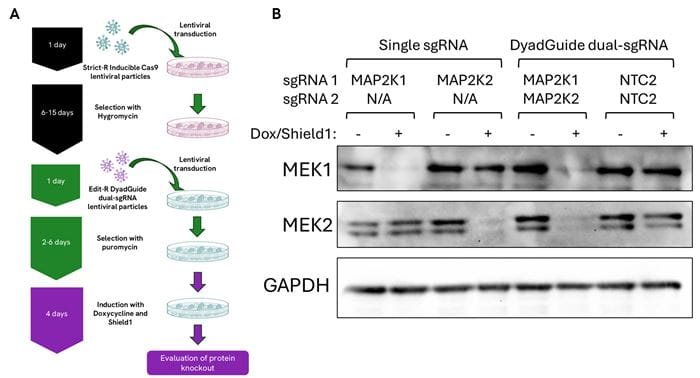
Figure 3. Edit-R Lentiviral DyadGuide dual-sgRNA platform achieves
inducible protein knock-out of two targets when combined with Strict-R
Inducible Cas9 Lentiviral system.
A. Hs936.T (50,000 cells/well) cells
were plated in 24-well plates, allowed to adhere for >4 hours, and
transduced with Strict-R inducible Cas9 Lentiviral particles at an MOI of 0.3.
After 24 hours, media was aspirated and replenished with fresh medium
containing 200 µg/mL hygromycin B. Cells were selected for 14 days in
hygromycin-containing medium to generate a cell line with stable integration.
Strict-R inducible Cas9 Hs936.T cells (50,000 cells/well) were then plated in
24-well plates, allowed to adhere for >4 hours, and transduced with Edit-R
Lentiviral DyadGuide dual-sgRNA particles containing sgRNAs targeting
both MAP2K1 and MAP2K2 at MOIs
or Edit-R lentiviral sgRNA particles targeting either MAP2K1 or
MAP2K1. Edit-R Lentiviral DyadGuide dual-sgRNA particlescontaining
two non-target control (NTC) sgRNAs were used as a control. 24 hours
post-transduction, cells were selected with 2 µg/µL puromycin for 5
days. Once a stable cell line expressing both the Strict-R inducible Cas9
and the desired sgRNAs were obtained, cells were plated in 6 well plates at a
density of 100,000 cells per well and either maintained in standard cell growth
medium or cell growth medium supplemented with 500 ng/mL doxycycline (dox) and
500 nM Shield1 to induce Cas9 expression. Cells were induced for 96 hours,
replenishing medium with or without dox and Shield1 after 48 hours. B. Cells
were then scraped in PBS and lysed in RIPA buffer for Western blot
analysis. 10 µg total protein was loaded per lane, and proteins were resolved
by SDS-PAGE and transferred to nitrocellulose membranes. Nitrocellulose
membranes were incubated with MEK1 (Thermo 13-3500, 1:500), MEK2 (Cell
Signaling #9147, 1:500), and GAPDH (Thermo AM4300, 1:5,000) primary antibodies
for 2 hours at room temperature, washed in TBS-T, and incubated with
goat-anti-mouse (Thermo 31431, 1:10,000) or goat anti-rabbit
(Thermo A16096, 1:10,000) HRP-conjugated secondary antibodies for 1 hour
at room temperature, developed in ECL solution, and imaged on a Thermo iBright
FL1500.
Unlock more powerful and complex CRISPR
experiments with the DyadGuide dual-sgRNA platform.
By combining balanced, bidirectional sgRNA
expression in a vector that is compatible with a CRISPR All-in-one design, the DyadGuide
dual-sgRNA platform enables consistent gene modulation, robust knock-out, and
seamless multi-targeting of one or two genes. Whether enhancing gene
activation, achieving reliable dual knock-outs, or performing time-controlled
studies with the Strict-R inducible systems, DyadGuide delivers the efficiency,
flexibility, and reproducibility researchers need to accelerate discovery and
confidently dissect complex biological pathways.
You can order the DyadGuide dual-sgRNA
system here.
For additional questions, guidance, or support, please contact our technical
support team at technical.horizon@revvity.com.