- Gene editing
- Gene editing reagents
- All-in-one lentiviral DyadGuide dual-sgRNA controls
All-in-one lentiviral DyadGuide dual-sgRNA controls
- Validated gene and species specific All-in-one lentiviral DyadGuide™ dual-sgRNA positive controls for optimization of experimental conditions.
- Negative (non-targeting) control All-in-one lentiviral DyadGuide dual-sgRNAs bioinformatically designed and validated to not target any gene in human or mouse genomes, used to establish experimental baselines and to distinguish sequence-specific biological from non-specific effects.

Validated All-in-one lentiviral DyadGuide™ dual-sgRNA positive controls for the verification of gene editing and modulation events
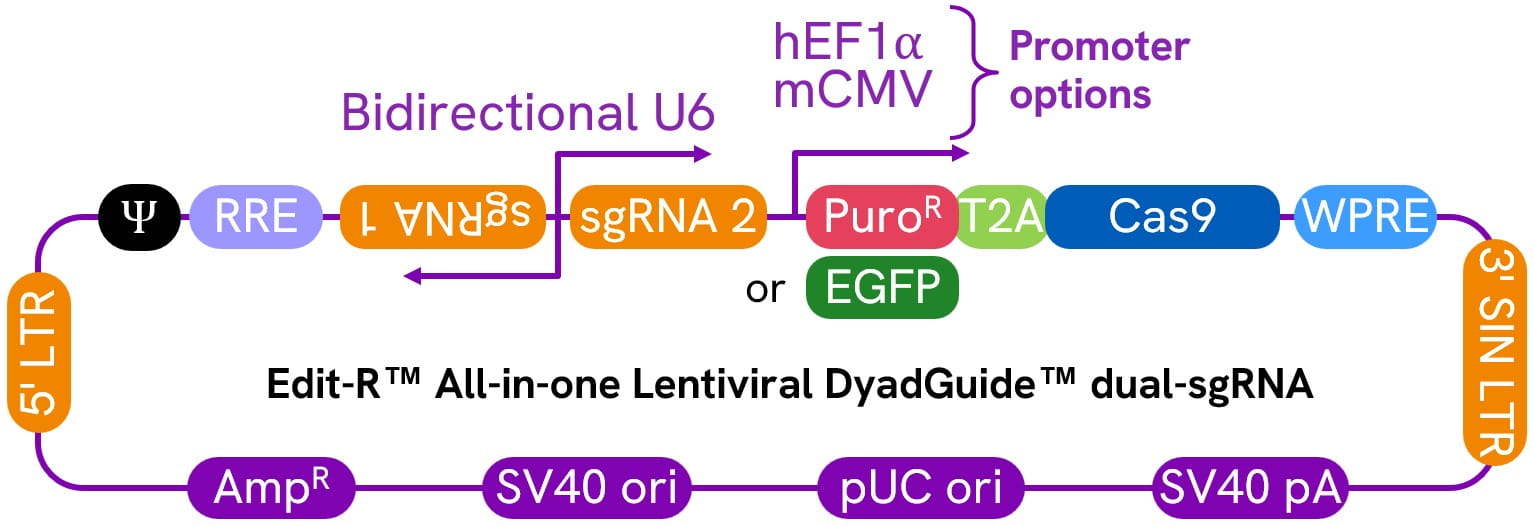
- Edit-R All-in-one lentiviral DyadGuideTM dual-sgRNA positive controls and kits are designed to target human or mouse Cyclophilin B (PPIB/Ppib) and DNA (cytosine-5)-methyltransferase 3B (DNMT3B/Dnmt3b) genes and can be included in all gene editing experiments to confirm successful transduction by observing the generation of insertions and deletions (indels) in your targeted genomic DNA using simple DNA mismatch detection assays.
- Available as purified lentiviral particles (50 µL at ≥ 1 × 10⁷ TU/mL) or glycerol stocks.
- Available as complete kits that include forward and reverse primers for DNA mismatch detection assays.
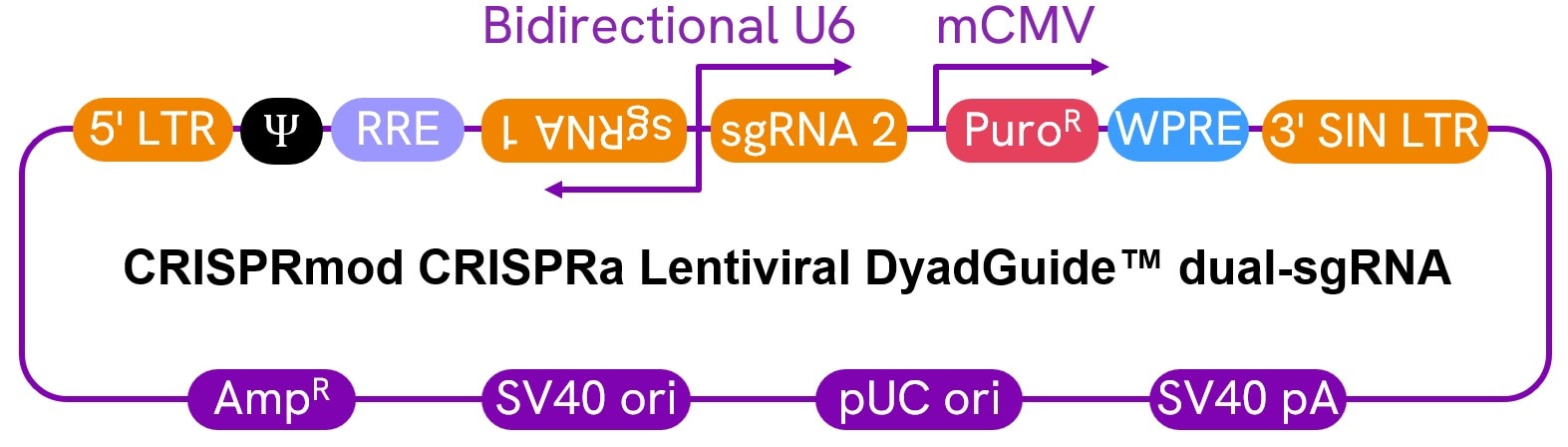
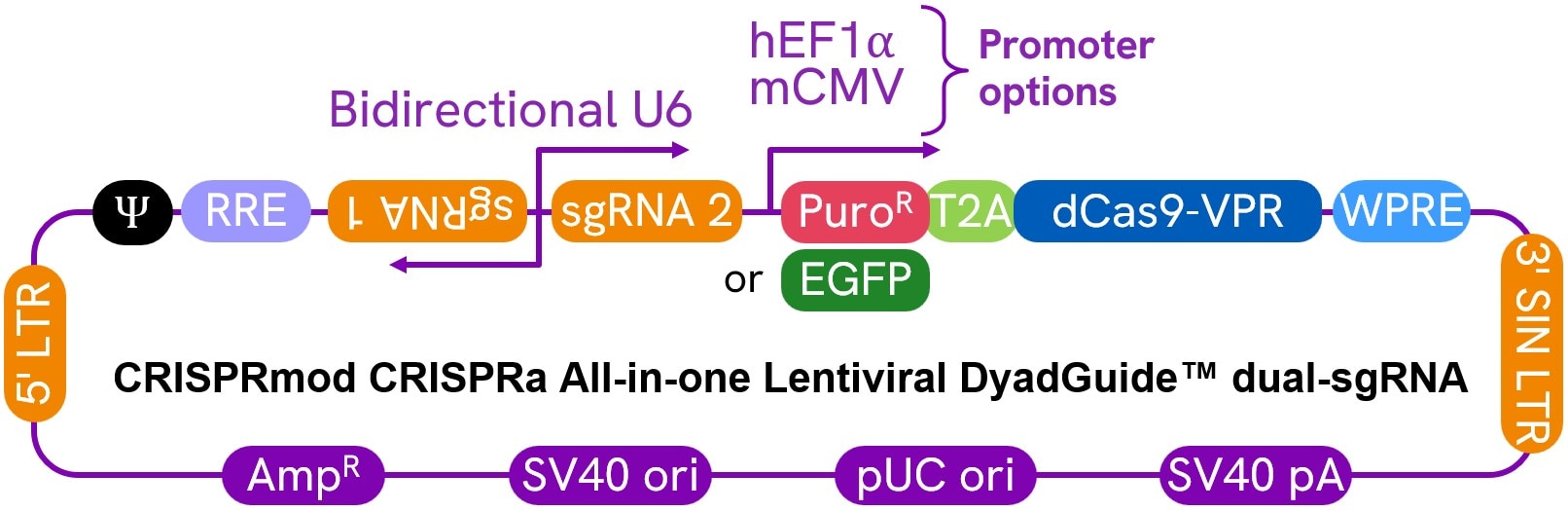
- CRISPRa All-in-one lentiviral DyadGuide™ dual-sgRNA positive controls are designed to specifically activate the human or mouse Titin (TTN/Ttn) and POU class 5 homeobox 1 (POU5F1/Pou5f1) genes. It is recommended that positive controls always be used to optimize experimental conditions and included in every gene activation experiment to confirm successful delivery of CRISPRa All-in-one lentiviral DyadGuide dual-sgRNAs. The level of activation observed will depend on your cell type and basal level of expression. If either TTN or POU5F1 is already expressed in your cells, there will be more modest activation than with a gene that is not expressed. Normalization of the activation level to a non-targeting control will provide a baseline for determining optimal dCas9-VPR expression, transfection efficiency, and timepoint for your assay.
- Available as purified lentiviral particles (50 µL at ≥ 1 x 10⁷ TU/mL).
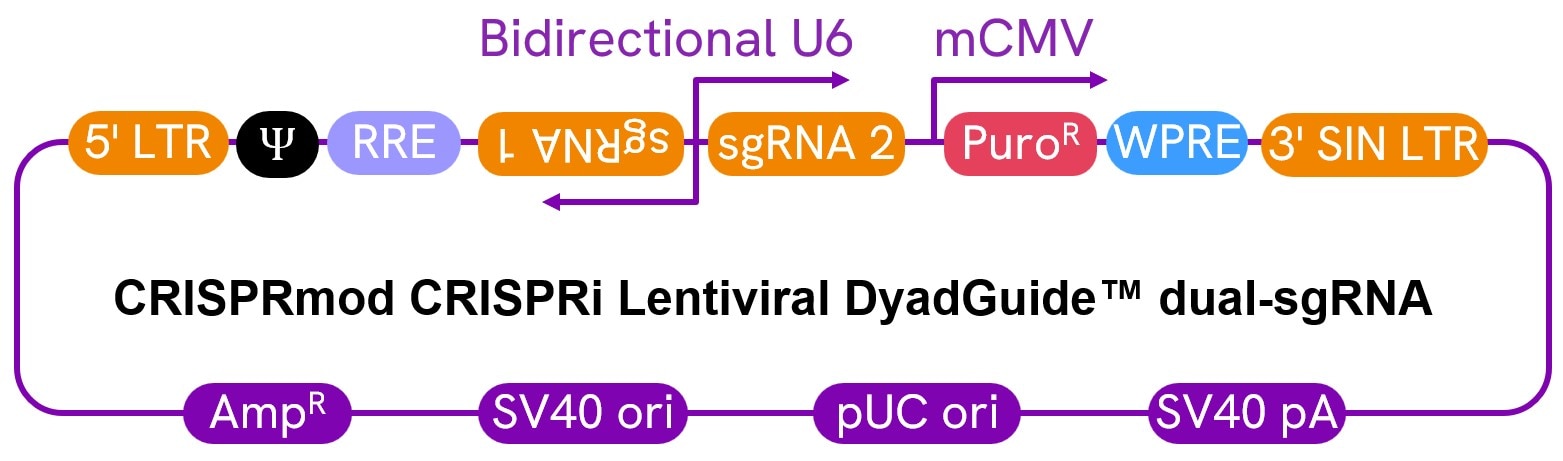
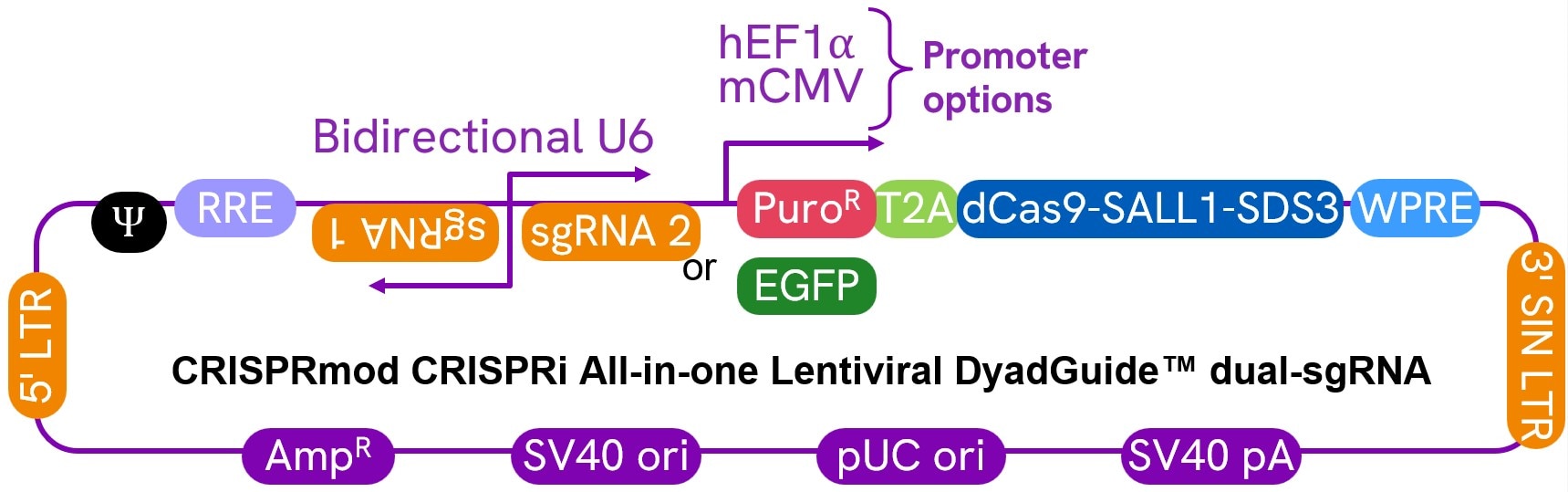
- CRISPRi All-in-one lentiviral DyadGuideTM dual-sgRNA positive controls are designed to specifically inhibit the human Cyclophilin B (PPIB) and SEL1L Adaptor Subunit Of ERAD E3 Ubiquitin Ligase (SEL1L) genes. It is recommended that positive controls always be used to optimize experimental conditions and included in every gene repression experiment to confirm successful delivery of CRISPRi All-in-one lentiviral DyadGuide dual-sgRNAs. Normalization of the repression level to a non-targeting control will provide a baseline for determining optimal dCas9-SALL1-SDS3 expression, transfection efficiency, and timepoint for your assay.
- Available as purified lentiviral particles (50 µL at ≥ 1 x 10⁷ TU/mL).
Negative Controls
- Non-targeting controls are recommended as negative controls for experiments using All-in-one lentiviral DyadGuide dual-sgRNAs. All Edit-R, CRISPRa, and CRISPRi non-targeting controls are designed to have a minimum of three mismatches or gaps to all potential PAM-adjacent targets in the human or mouse genomes. Changes in viability or gene expression levels in cells treated with these controls likely reflect a baseline cellular response that can be compared to the levels in cells treated with target-specific sgRNAs.
- Available as purified lentiviral particles (50 µL at ≥ 1 x 10⁷ TU/mL) in all formats and as glycerol stocks for Edit-R formats
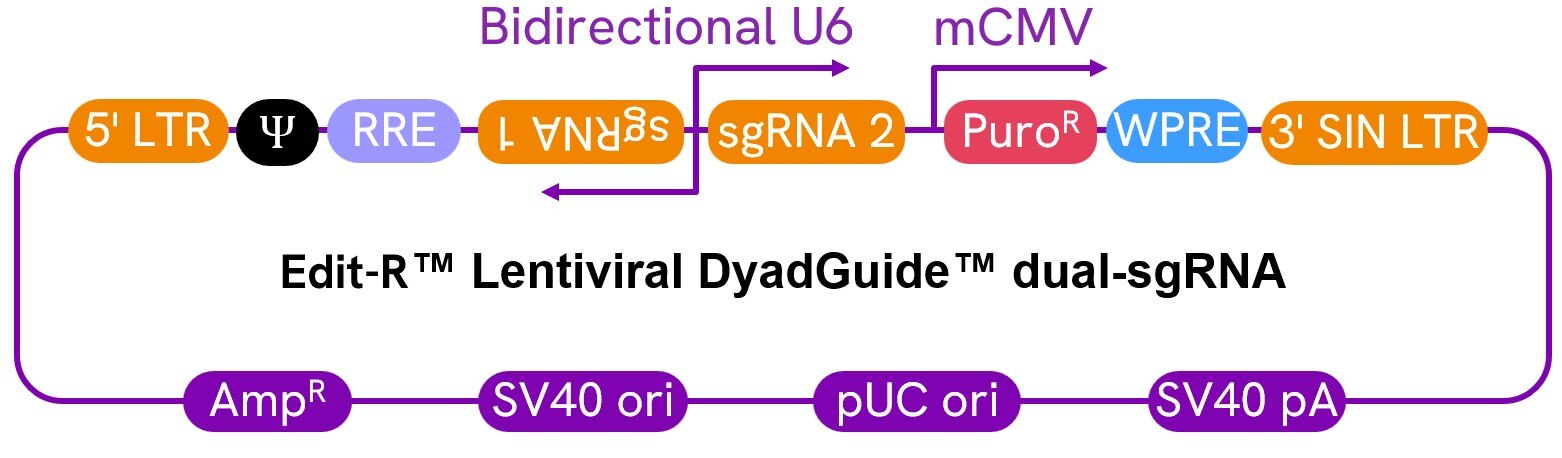
The DyadGuideTM dual-sgRNA platform is available in sgRNA and All-in-one sgRNA formats for CRISPRko, CRISPRa, and CRISPRi. Use the tool above to select sgRNAs from the Dharmacon Edit-R algorithm designed for achieving functional gene knockout with high specificity for CRISPRko, or our set of predesigned CRISPRa and CRISPRi sgRNAs from a published algorithm by Horlbeck, et. al. designed for achieving efficient levels of gene activation/repression.
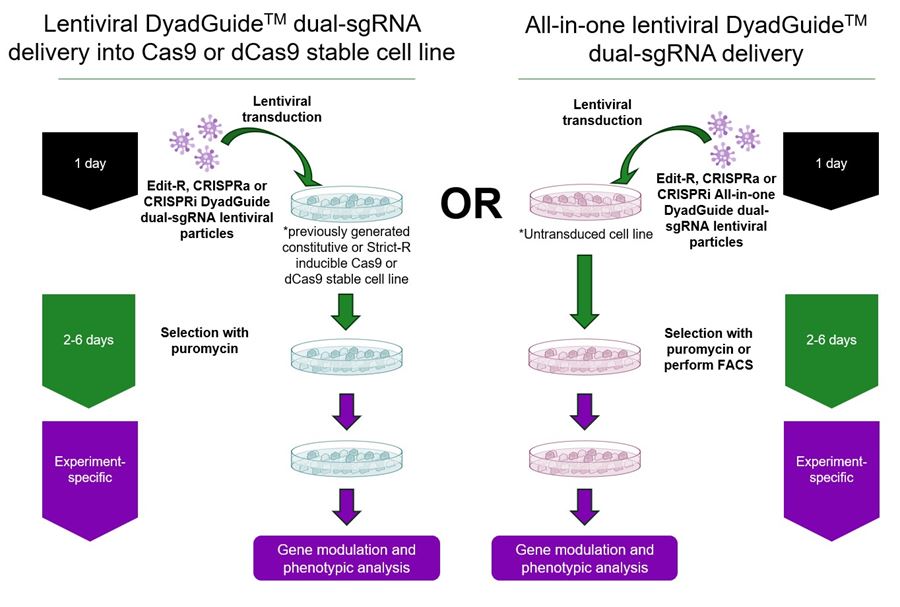
Gene editing and modulation workflows using the Edit-R, CRISPRa, or CRISPRi lentiviral DyadGuideTM dual-sgRNA particles (left) or All-in-one lentiviral DyadGuide dual-sgRNA particles (right). Please see the associated Edit-R and CRISPRmod DyadGuide dual-sgRNA technical manuals found in the Resources tab for more information regarding each of these workflows.

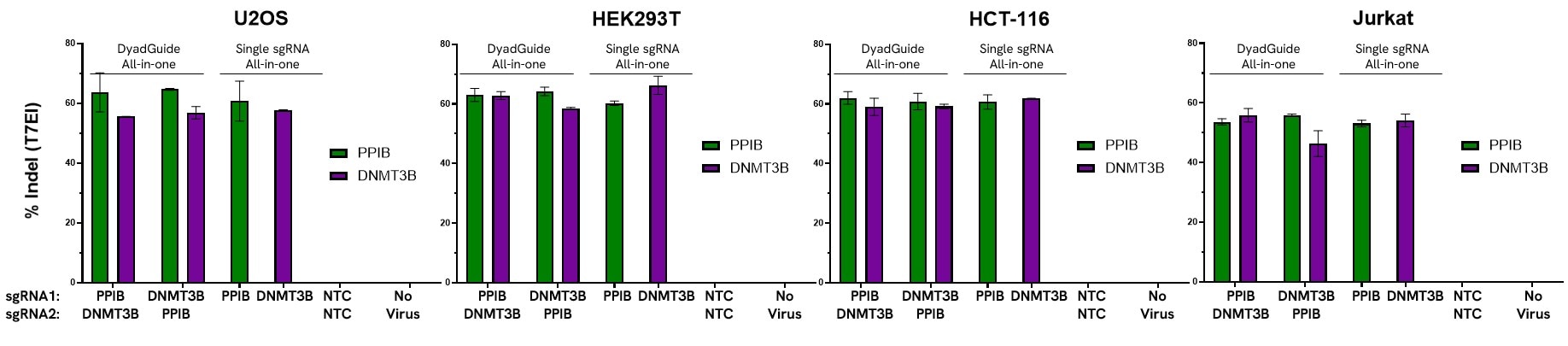
Figure 1: Efficient gene knockout of two gene targets in multiple orientations using the DyadGuide™ dual-sgRNA platform
U2OS (10,000 cells/well), HEK293T (20,000 cells/well), HCT-116 (5,000 cells/well), and Jurkat (10,000 cells/well) cells were plated in 96-well plates, allowed to adhere for >4 hours, and transduced with Edit-R™ All-in-one lentiviral DyadGuide™ dual-sgRNA particles containing sgRNAs targeting both PPIB and DNMT3B or Edit-R All-in-one lentiviral particles containing sgRNAs targeting PPIB or DNMT3B at MOIs of 0.3. Edit-R All-in-one lentiviral DyadGuide dual-sgRNA particles containing two non-target control (NTC) sgRNAs were used as a control. 24 hours post-transduction, cells were selected with 1 (HCT-116/Jurkat) or 2.5 µg/µL (U2OS/HEK293T) puromycin for 5 days. Genomic DNA was extracted for DNA mismatch detection assay with T7 Endonuclease I (T7EI) assay. Bar graph quantification of T7EI gene editing by mismatch assay was determined using the T7EI calculator.

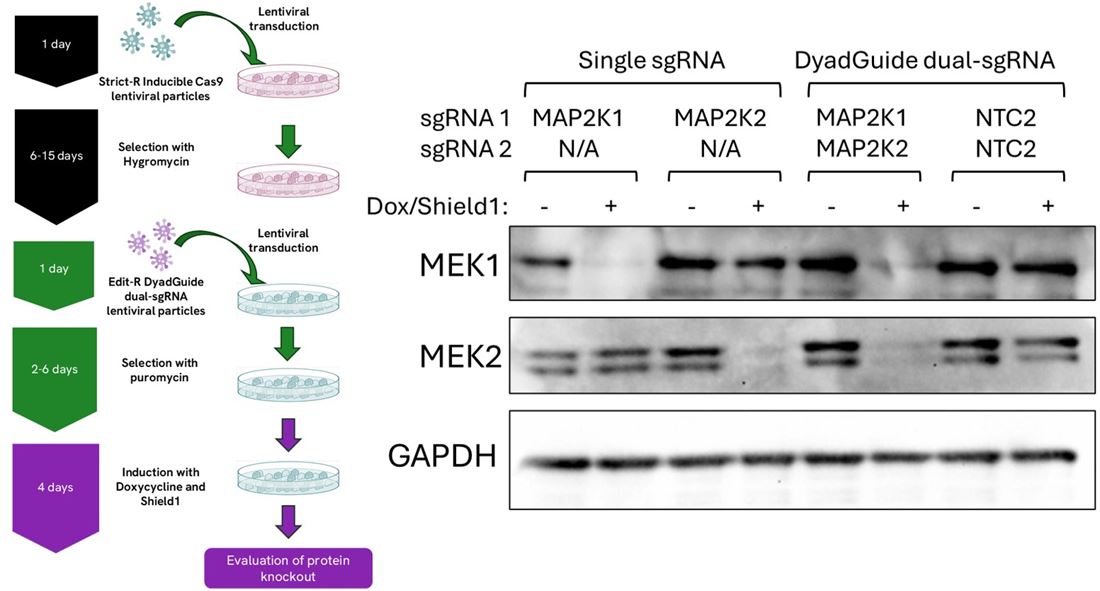
Figure 2: Edit-R Lentiviral DyadGuideTM dual-sgRNA platform achieves inducible protein knockout of two targets when combined with Strict-R Inducible Cas9 Lentiviral System
Hs936.T (50,000 cells/well) cells were plated in 24-well plates, allowed to adhere for >4 hours, and transduced with Strict-R inducible Cas9 Lentiviral particles at an MOI of 0.3. After 24 hours, media was aspirated and replenished with fresh medium containing 200 µg/mL hygromycin B. Cells were selected for 14 days in hygromycin-containing medium to generate a cell line with stable integration. Strict-R inducible Cas9 Hs936.T cells (50,000 cells/well) were then plated in 24-well plates, allowed to adhere for >4 hours, and transduced with Edit-R Lentiviral DyadGuide dual-sgRNA particles containing sgRNAs targeting both MAP2K1 and MAP2K2 at MOIs or Edit-R lentiviral sgRNA particles targeting either MAP2K1 or MAP2K1. Edit-R Lentiviral DyadGuide dual-sgRNA particles containing two non-target control (NTC) sgRNAs were used as a control. 24 hours post-transduction, cells were selected with 2 µg/µL puromycin for 5 days. Once a stable cell line expressing both the Strict-R inducible Cas9 and the desired sgRNAs were obtained, cells were plated in 6 well plates at a density of 100,000 cells per well and either maintained in standard cell growth medium or cell growth medium supplemented with 500 ng/mL doxycycline (dox) and 500 nM Shield1 to induce Cas9 expression. Cells were induced for 96 hours, replenishing medium with or without dox and Shield1 after 48 hours. Cells were then scraped in PBS and lysed in RIPA buffer for Western blot analysis. 10 µg total protein was loaded per lane, and proteins were resolved by SDS-PAGE and transferred to nitrocellulose membranes. Nitrocellulose membranes were incubated with MEK1 (Thermo 13-3500, 1:500), MEK2 (Cell Signaling #9147, 1:500), and GAPDH (Thermo AM4300, 1:5,000) primary antibodies for 2 hours at room temperature, washed in TBS-T, and incubated with goat-anti-mouse (Thermo 31431, 1:10,000) or goat anti-rabbit (Thermo A16096, 1:10,000) HRP-conjugated secondary antibodies for 1 hour at room temperature, developed in ECL solution, and imaged on a Thermo iBright FL1500.

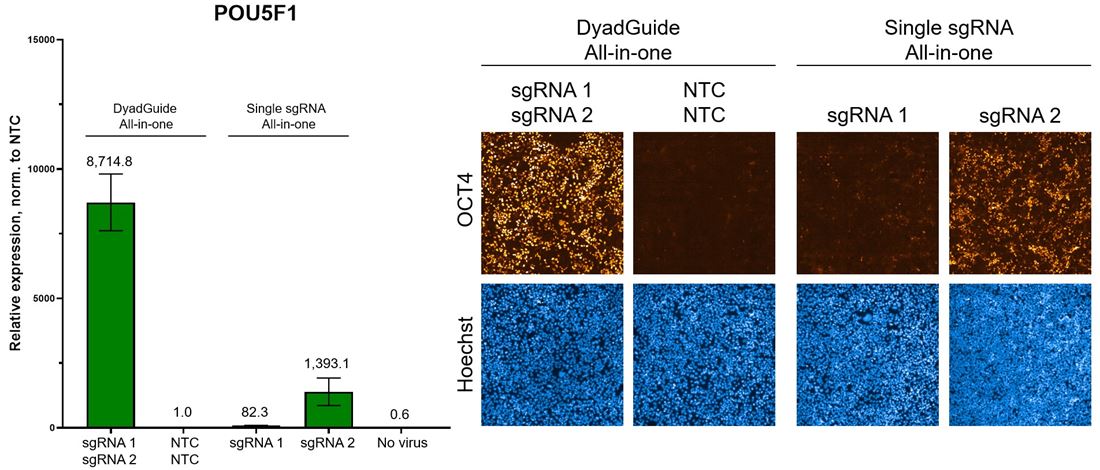
Figure 1: Synergistically enhanced CRISPR activation with dual-sgRNAs targeting the same gene
U2OS (10,000 cells/well) cells were plated in 96-well plates, allowed to adhere for >4 hours, and transduced with CRISPRmod CRISPRa All-in-one Lentiviral DyadGuide™ dual-sgRNA particles containing two sgRNAs targeting POU5F1 or CRISPRmod CRISPRa All-in-one lentiviral particles containing a single sgRNA targeting POU5F1 at MOIs of 0.3. CRISPRmod CRISPRa All-in-one Lentiviral DyadGuide dual-sgRNA particles containing two non-target control (NTC) sgRNAs were used as a control. 24 hours post-transduction, cells were selected with 2.5 µg/µL puromycin for 5 days. (Left) Total RNA was isolated at Day 8 and relative gene expression was measured using RT-qPCR. Robust, synergistic POU5F1 gene activation was observed with the CRISPRmod CRISPRa All-in-One Lentiviral DyadGuide dual-sgRNA system, greatly exceeding the levels achieved by the single sgRNA CRISPRmod CRISPRa All-in-one lentiviral system. (Right) Replicate wells were fixed in 4% PFA and stained with OCT4 (encoded by POU5F1) antibody (STEMCELL) and counterstained with Hoechst. Similar to the mRNA levels, OCT4 protein levels were much stronger in wells transduced with the CRISPRmod CRISPRa All-in-one Lentiviral DyadGuide dual-sgRNA system driving two sgRNAs against POU5F1 compared to expression of individual sgRNAs.

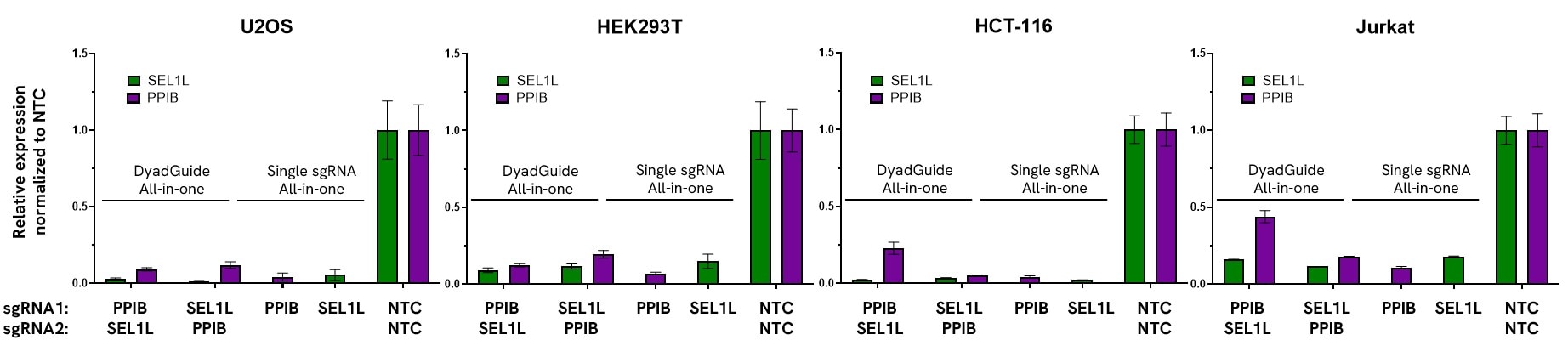
Figure 2: Efficient CRISPRi mediated gene knockdown of two gene targets in multiple orientations using the DyadGuide™ dual-sgRNA platform
U2OS (10,000 cells/well), HEK293T (20,000 cells/well), HCT-116 (5,000 cells/well), and Jurkat (10,000 cells/well) cells were plated in 96-well plates, allowed to adhere for >4 hours, and transduced with CRISPRmod CRISPRi All-in-one Lentiviral DyadGuide™ dual-sgRNA particles containing sgRNAs targeting both PPIB and SEL1L or CRISPRmod CRISPRi All-in-one lentiviral particles containing sgRNAs targeting PPIB or SEL1L at MOIs of 0.3. CRISPRmod CRISPRi All-in-one Lentiviral DyadGuide dual-sgRNA particles containing two non-target control (NTC) sgRNAs were used as a control. 24 hours post-transduction, cells were selected with 1 (HCT-116/Jurkat) or 2.5 µg/µL (U2OS/HEK293T) puromycin for 5 days. Total RNA was isolated and relative gene expression was measured using RT-qPCR. The relative expression of each gene was calculated with the ∆∆Cq method using ACTB as the housekeeping gene and normalized to an NTC. Robust target gene repression of both targets was observed with the CRISPRmod CRISPRi All-in-one Lentiviral DyadGuide dual-sgRNA system, comparable to levels achieved by the single sgRNA CRISPRmod CRISPRi All-in-one lentiviral system.
DyadGuide dual-sgRNA design and ordering page
Design and order all of your Edit-R, CRISPRa, and CRISPRi lentiviral DyadGuide™ dual-sgRNAs here
Lentiviral DyadGuide dual-sgRNA controls
If you are looking for Edit-R, CRISPRa, or CRISPRi lentiviral DyadGuide™ dual-sgRNA controls that are not in the All-in-one format (for use with Cas9 or dCas9-effectors expressed separately) those can be found here.LentiBOOSTTM Lentivirus Transduction Enhancer is a uniquely formulated transduction reagent that can be used with or without lentivirus spinfection in order to increase successful viral transduction events while preserving cell viability. Especially critical for preserving precious primary cells from patient cohorts, or, for engineering complex animal models; improving transduction efficiency can save time and costs by increasing the success of each editing/transduction step, or, even avoid the loss of irreplaceable samples. Additionally, LentiBOOST technology is already used in the manufacturing of a number of clinical stage therapies providing the opportunity to demonstrate improved workflow applicability to the clinic.
LentiBOOST can be purchased through the Dharmacon Reagents catalog.
To learn more about LentiBOOST technology visit the Revvity LentiBOOST webpage.
Supporting Data
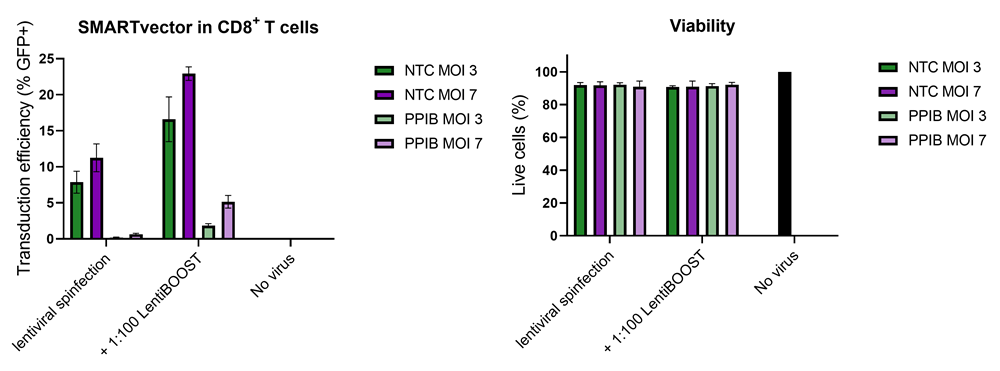
Improved CD8+ T-cell SMARTvector™ shRNA lentiviral system transduction using LentiBOOST™ Lentivirus Transduction Enhancer
100,000 primary human CD8+ T cells were transduced with either 30,000 (MOI 3, green) or 70,000 (MOI 7, purple) TUs of SMARTVector™ mCMV tGFP Lentiviral Control Particles targeting either NTC or PPIB along with 1:100 LentiBOOST transduction enhancer. Cells were centrifuged at 800 x g for one hour at 32 °C followed by a four hour incubation prior to removal of lentiviral particles and transduction enhancer. Transduction efficiency (%GFP+ out of live cells) and viability were determined 5 days post-transduction by flow cytometry. The addition of LentiBOOST technology markedly improved transduction efficiencies without significantly impacting cell viability.
Product inserts
Protocols
Safety data sheets
Related Products
Deliver two sgRNAs targeting either the same gene or two different genes in a single lentiviral vector with the Dharmacon™ DyadGuide™ dual-sgRNA expression platform.
LentiBOOST transduction enhancer can increase successful viral transduction in challenging to transduce cells, or, complex cellular engineering work; while preserving cell viability and minimizing the amount of viral particles required for your experiment. LentiBOOST technology is actively used in the production of clinical stage lentivirally delivered therapies, including some approved therapies, providing a direct path to therapeutic applicability for your research studies. Tested with Dharmacon Lentiviral reagents.